Home | MyGov

Accessibility
Accessibility Tools
Color Adjustment
Text Size
Navigation Adjustment
Screen Reader iconScreen Reader

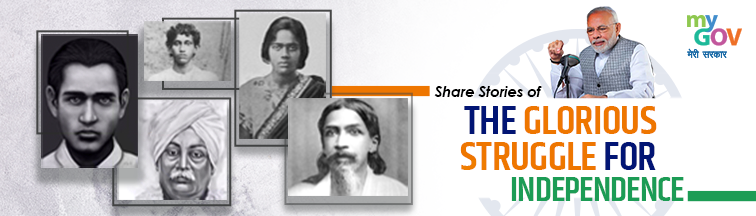
Share Stories of the Glorious Struggle for Independence

Start Date :
Sep 30, 2020
Last Date :
Oct 14, 2020
23:45 PM IST (GMT +5.30 Hrs)
Submission Closed

In the latest episode of Mann Ki Baat on 27th September 2020, Honourable Prime Minister Shri Narendra Modi spoke about the art of storytelling. He mentioned that the history of ...

In the latest episode of Mann Ki Baat on 27th September 2020, Honourable Prime Minister Shri Narendra Modi spoke about the art of storytelling. He mentioned that the history of stories is as ancient as the human civilization itself. ‘Where there is a soul, there is a story’.

As we are going to celebrate 75 years of independence, Prime Minister urged storytellers across the Nation to share stories of many inspiring events during the entire period of our enslavement. Especially, from 1857 to 1947, stories around every major or minor incident during this period can be introduced to our new generation.

“May this art of storytelling become stronger in the country, become more popularized and easier to imbibe - this is something we must all strive for”: PM Narendra Modi

Do you know of any inspiring event during the 1857-1947 freedom struggle that isn’t so well known? Maybe a long-forgotten hero who did not get as much prominence as he/she deserved? Maybe an incident which played a minor but important role in our struggle? A story you might have heard from a family elder, many years ago?

Tell us, we will feature your story for all Indians!

Share your story in the form of a video, audio clip, picture or essay.

Participate Now

Reset
Showing 1077 Submission(s)
Robin Singh
Robin Singh 5 years 7 months ago
राष्ट्रपति राम नाथ कोविंद सर, हमारे देश के राष्ट्रपति, भारत गणराज्य, मैं आज आपको जन्मदिन की बहुत-बहुत शुभकामनाएँ देता हूँ। मुझे आशा है कि आप पहले से ही एक महान दिन हैं। मैं आपके लंबे और स्वस्थ जीवन की कामना करता हूं। आप भविष्य में आने के लिए कई और जन्मदिन देखेंगे। आपके जैसा मजबूत आदमी आपकी सभी इच्छाओं और लक्ष्यों को प्राप्त करेगा जो आपने अपने लिए निर्धारित किए हैं। आपका जीवन सुख और समृद्धि से भर जाए।
mygov_160153071359078217
Priyanka
Priyanka 5 years 7 months ago
जनपद मुख्यालय से 5 कि0मी0 उत्तर पश्चिम तमसा नदी के निर्जन एवं बीहड़ स्थान में स्थित बेराटपुर तथा इसी गांव के ठीक सामने नदी उस पार लगभग दो कि0मी0 दूर फैजुल्लाहपुर ग्राम सन् 1942 की क्रान्ति के समय आन्दोलनकारियों के गुप्त अड्डे थे जहाँ क्रान्तिकारी योजनाएं बनाते थे .अमर शहीदों की कुर्बानी रंग लायी और अन्ततः 15 अगस्त,1947 की सुबह आयी। स्वाधीनता का उजाला लिये हुए। भारत आजाद हुआ। इस आजादी के लिए मधुबन में जिन अमर बलिदानियों ने अपना प्राणोत्सर्ग किया उनकी स्मृति एक भव्य शहीद स्तम्भ बनाया गया है ...
Palak Sahitani
Palak Sahitani 5 years 7 months ago
The work of these various movements ultimately led to the Indian Independence Act 1947, which ended the suzerainty in India, and the creation of Pakistan. India remained a Dominion of the Crown until 26 January 1950, when the Constitution of India came into force, establishing the Republic of India; Pakistan was a dominion until 1956 when it adopted its first republican constitution. In 1971, East Pakistan declared independence as the People's Republic of Bangladesh.
Palak Sahitani
Palak Sahitani 5 years 7 months ago
The Indian self-rule movement was a mass-based movement that encompassed various sections of society. It also underwent a process of constant ideological evolution. Although the underlying ideology of the campaign was anti-colonial, it was supported by a vision of independent capitalist economic development coupled with a secular, democratic, republican, and civil-libertarian political structure. After the 1930s, the movement took on a strong socialist orientation.
Palak Sahitani
Palak Sahitani 5 years 7 months ago
B. R. Ambedkar championed the cause of the disadvantaged sections of Indian society within the more significant self-rule movement.[4] The period of the World War II saw the peak of the campaigns by the Quit India Movement led by Congress and the Indian National Army movement led by Subhash Chandra Bose with the help of Japan
Palak Sahitani
Palak Sahitani 5 years 7 months ago
The last stages of the self-rule struggle from the 1920s was characterized by Congress's adoption of Mohandas Karamchand Gandhi's policy of non-violence and civil disobedience, and several other campaigns. Nationalists like Subhash Chandra Bose, Bhagat Singh, Bagha Jatin, Surya Sen preached armed revolution to achieve self-rule. Poets and writers such as Rabindranath Tagore, Subramania Bharati, Bankim Chandra Chattopadhyay and Kazi Nazrul Islam used literature, poetry, and speech as a tool for p
Palak Sahitani
Palak Sahitani 5 years 7 months ago
The first nationalistic revolutionary movement for Indian independence emerged from Bengal.[2] It later took root in the newly formed Indian National Congress with prominent moderate leaders seeking only their fundamental right to appear for Indian Civil Service examinations in British India, as well as more rights (economical in nature), for the people of the soil. The early part of the 20th century saw a more radical approach towards political self-rule proposed by leaders such as the Lal, Bal
ASHISH RANJAN SWAIN
ASHISH RANJAN SWAIN 5 years 7 months ago
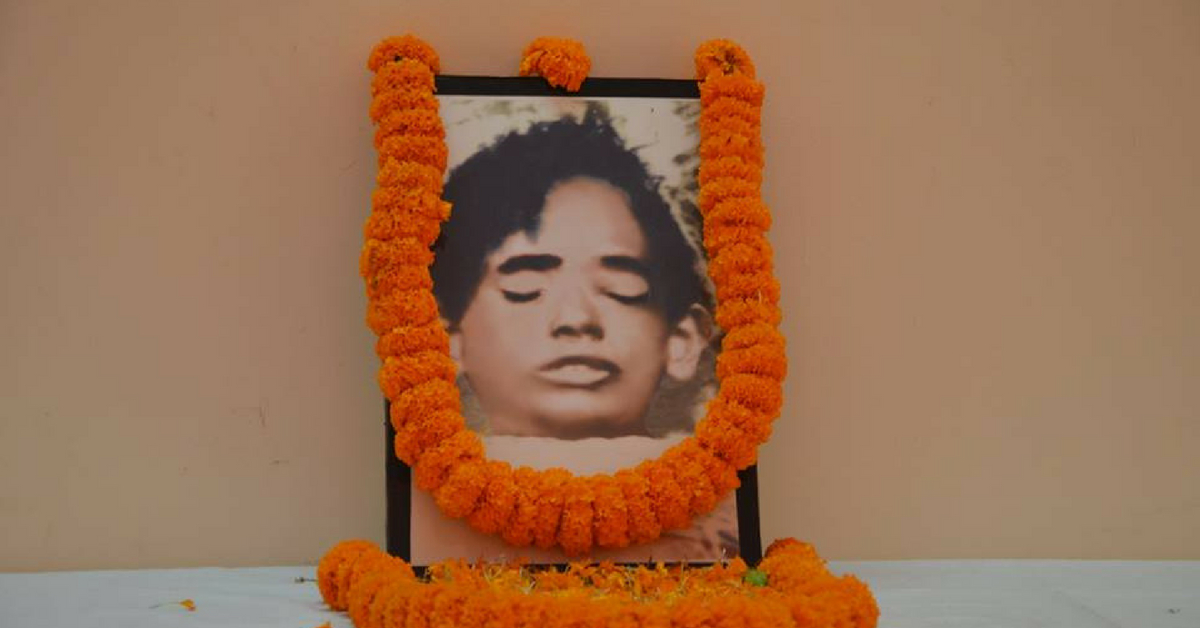
I have uploaded a story on India's youngest martyr Baji Rout of Odisha along with his photo. He was shot dead by Britishers at age of 12. A lot of material and stories regarding his life and sacrifice is available on internet. But, many people of our country are still not aware of his sacrifice. There is a need to popularize stories regarding him so that others will be able to know about him and get inspired.